Norfolk Island
Where The Lines Meet
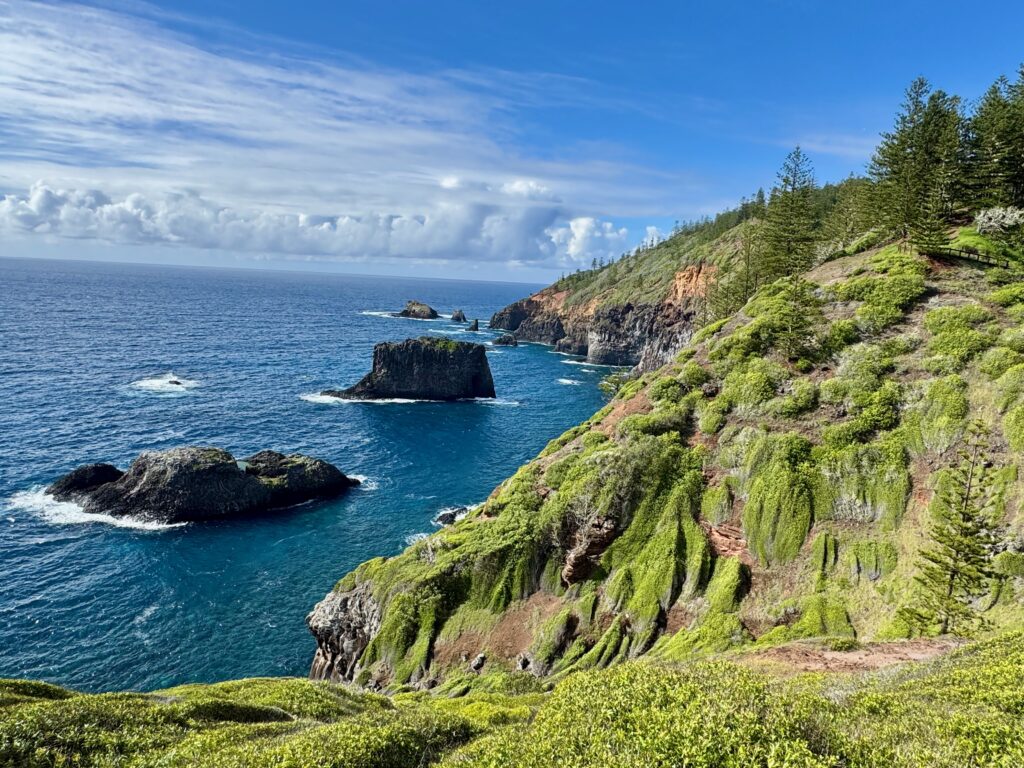
Five of my ancestors arrived in Australia with the First Fleet in 1788. Remarkably, all five of their family stories would become connected with this tiny island in the Pacific.
Norfolk Island became one of the great crossroads in my family’s story—and more than two centuries later, I came here too.
Five First Fleeters
Between 1788 and 1790, five of my First Fleet ancestors found their way to Norfolk Island. They arrived separately, but the families they formed here would eventually become part of the same Tasmanian family.
Nathaniel Lucas · Scarborough
A carpenter by trade, Nathaniel arrived at Sydney Cove with the First Fleet in January 1788. Within weeks he was chosen for Philip Gidley King’s first settlement party to Norfolk Island, arriving in March 1788.
Olivia Gascoigne · Lady Penrhyn
Olivia also arrived with the First Fleet and was sent to Norfolk Island with the early settlement. Here she and Nathaniel Lucas formed a family whose descendants would eventually move to Van Diemen’s Land.
William Saltmarsh · Alexander
William arrived with the First Fleet and was sent to Norfolk Island in 1790. Here he formed a relationship with Second Fleet convict Mary Butler. Their son, William Butler Saltmarsh, was born on the island in 1792.
Mary Phillips · First Fleet
Mary reached Norfolk Island in 1790 and later formed a family with Thomas Stevens. Their daughter Elizabeth Riley Stevens was born here and would eventually marry William Butler Saltmarsh in Tasmania.
Bartholomew Reardon · Scarborough
Bartholomew arrived on the same First Fleet ship as Nathaniel Lucas and came to Norfolk Island in 1790. He remained here for the rest of his life. His daughter Frances Reardon was born on the island in 1794 and later became part of the Tasmanian family story.
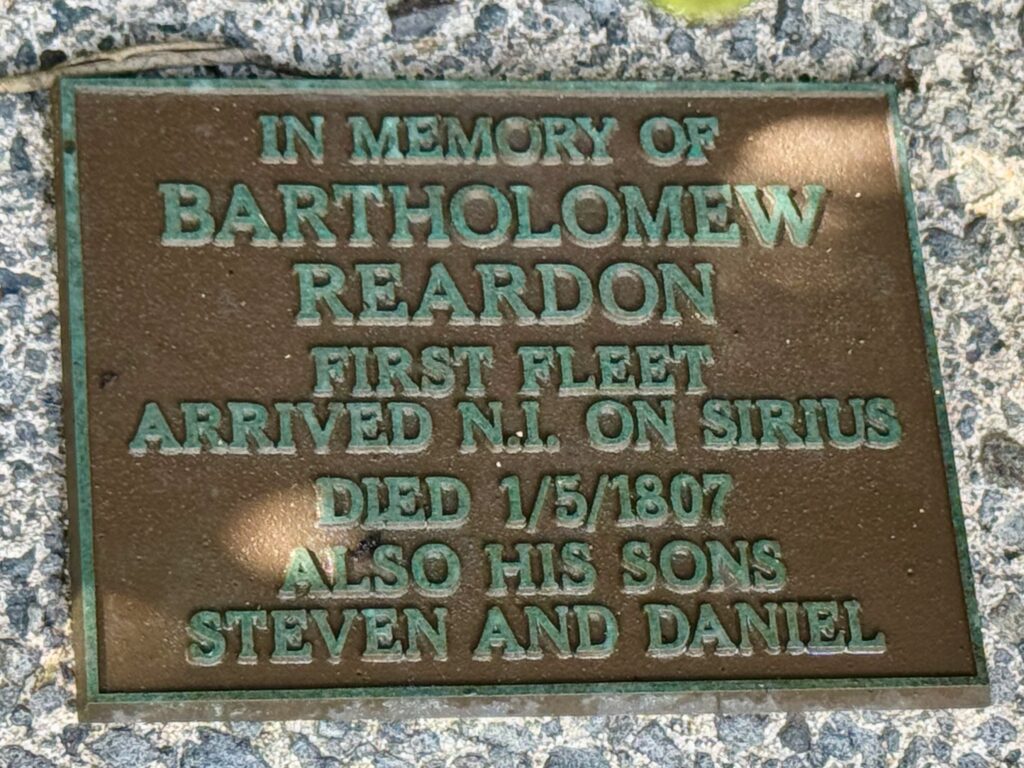
Families Born Here
Norfolk Island was more than a place where my ancestors served their sentences. It became home. Children were born here, families formed, and connections were created that would eventually carry these First Fleet lines to Tasmania.
Olivia Lucas · born 1795
Daughter of Nathaniel Lucas and Olivia Gascoigne, Olivia was born on Norfolk Island. She later married John Hodgetts, and their daughter Elizabeth Letitia Hodgetts became part of the Saltmarsh family in Tasmania.
William Butler Saltmarsh · born 1792
The son of First Fleeter William Saltmarsh and Second Fleet convict Mary Butler, William was born on Norfolk Island after his father had left. In 1813 he left the island for Van Diemen’s Land, where the Saltmarsh family became established around Norfolk Plains and Longford.
Elizabeth Riley Stevens · born c.1796
Daughter of First Fleeter Mary Phillips and Thomas Stevens, Elizabeth was born on Norfolk Island. After moving to Van Diemen’s Land, she married William Butler Saltmarsh in 1819—bringing two of my First Fleet lines together.
Frances Reardon · born 1794
Daughter of First Fleeter Bartholomew Reardon and Hannah Flinger, Frances was born on Norfolk Island. Her descendants provide another strand of my family story that eventually reached Tasmania.
From Norfolk Island to Tasmania
Norfolk Island was not the end of these family journeys. During the early nineteenth century, descendants of the island’s first settlers began making their way to Van Diemen’s Land.
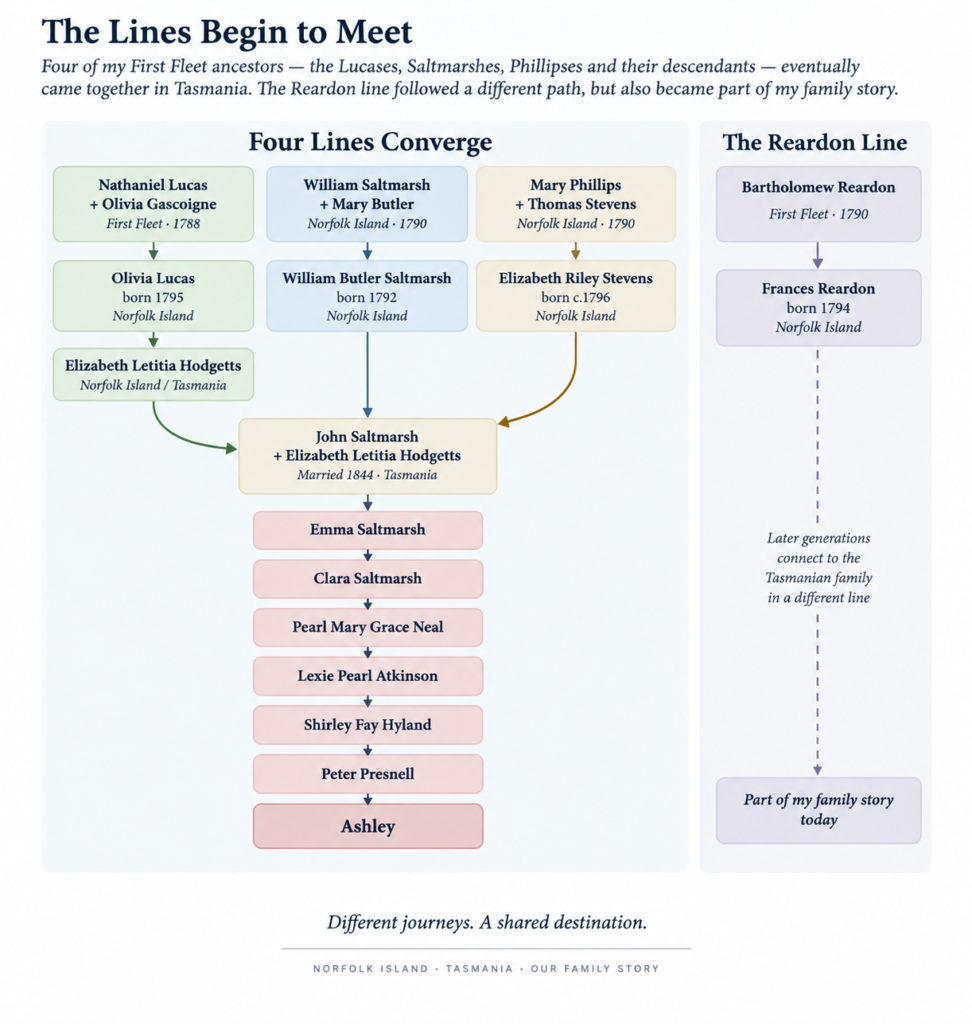
In 1813, William Butler Saltmarsh left the island for Port Dalrymple in northern Tasmania. Mary Phillips and Thomas Stevens and their family were among those who made the same migration. Olivia Lucas would also eventually make Tasmania her home.
Around Norfolk Plains and Longford, these separate family lines began to come together. In 1819 William Butler Saltmarsh married Elizabeth Riley Stevens. A generation later, their son John Saltmarsh married Elizabeth Letitia Hodgetts, a granddaughter of Nathaniel Lucas and Olivia Gascoigne.
Norfolk Island had brought their ancestors together geographically. Tasmania would bring their descendants together as a family.
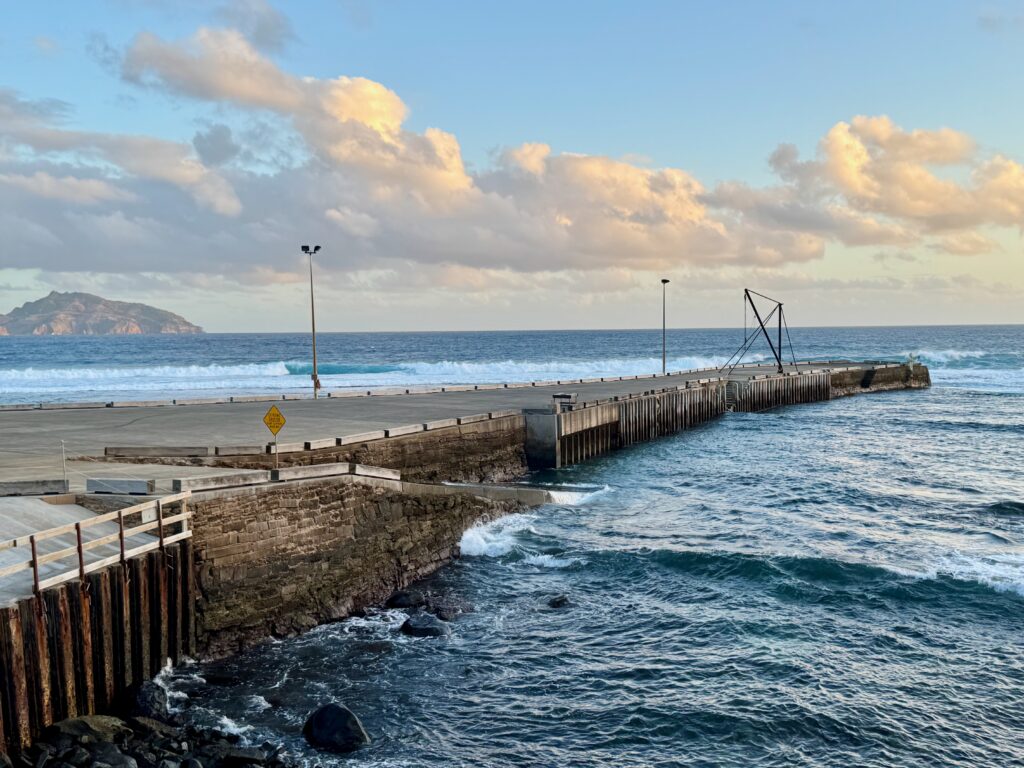
Returning to Norfolk Island
More than two centuries after my ancestors lived on Norfolk Island, I came here myself.
Visiting the island was different from simply researching names, dates and records. Places I had encountered in the family tree became real landscapes—the Kingston settlement, the cemetery, the ruins of the old penal settlement and the coastline that generations of my family had known.
I had come to Norfolk Island as a traveller. I left understanding it as part of my own story.
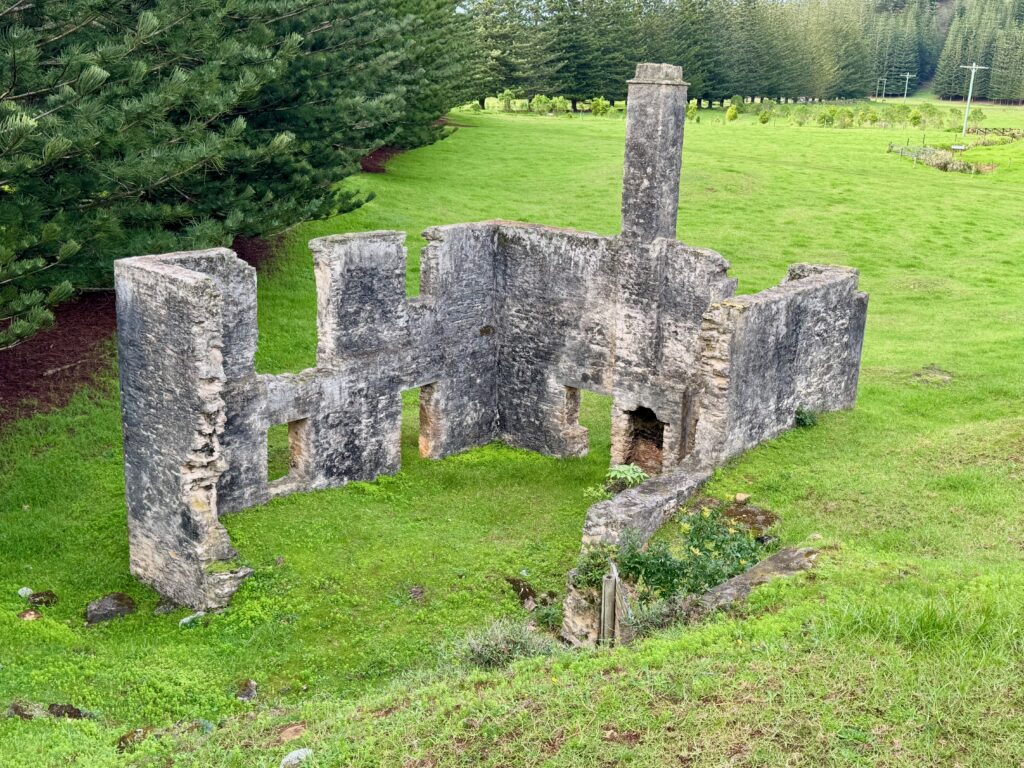
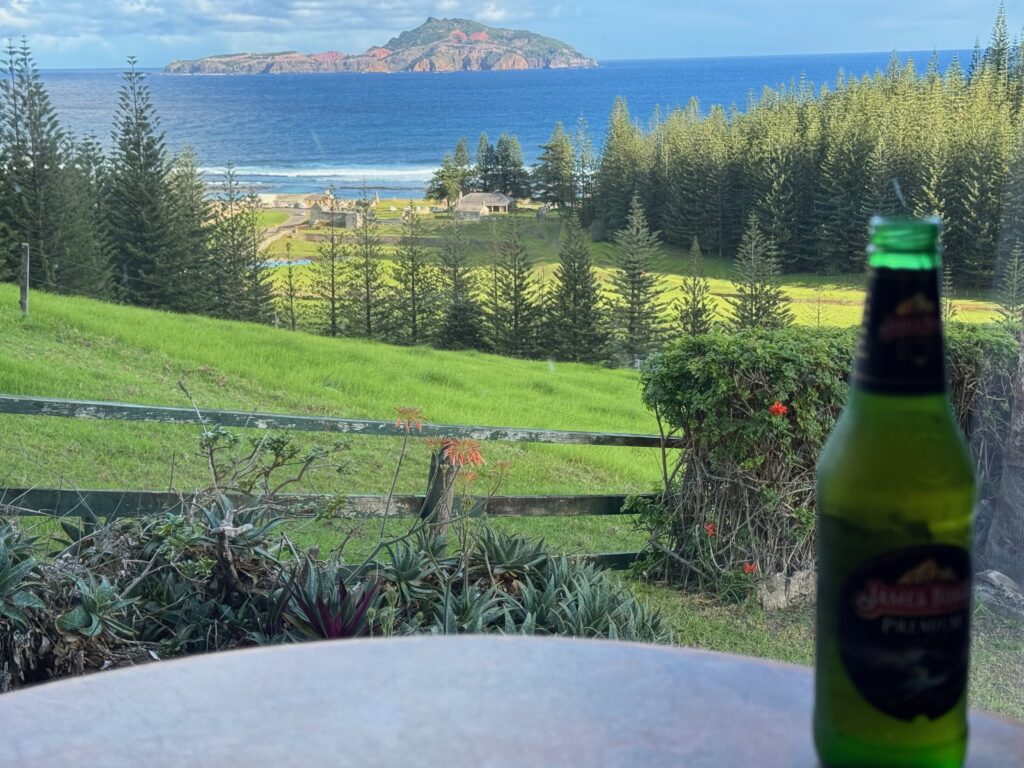
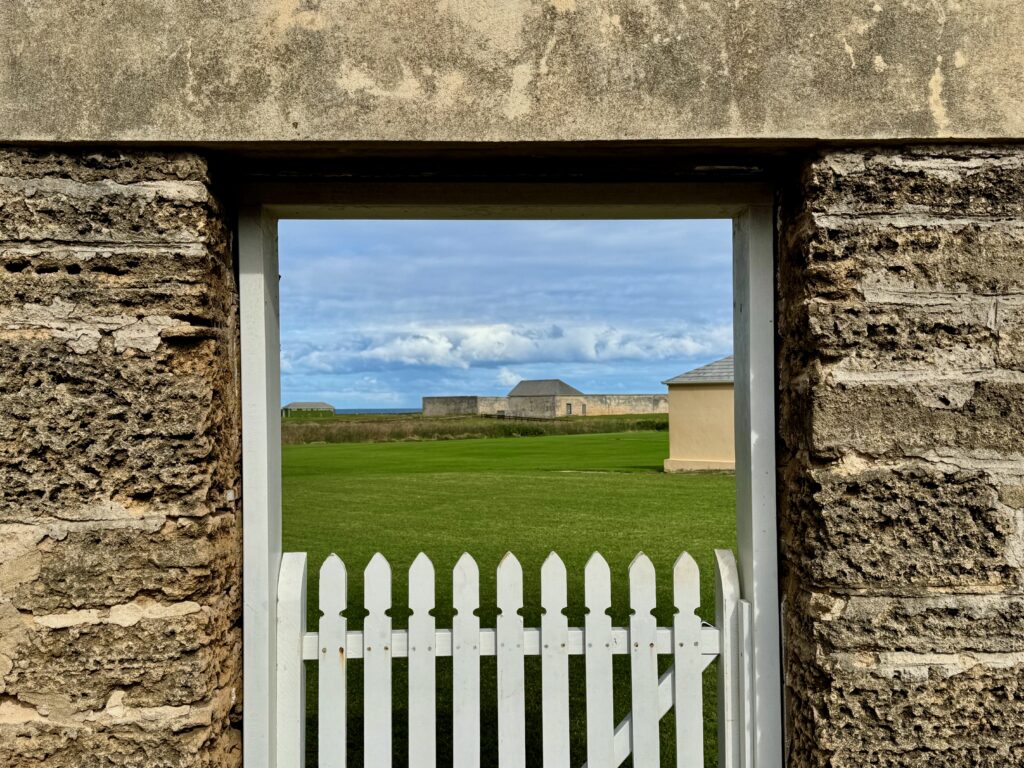
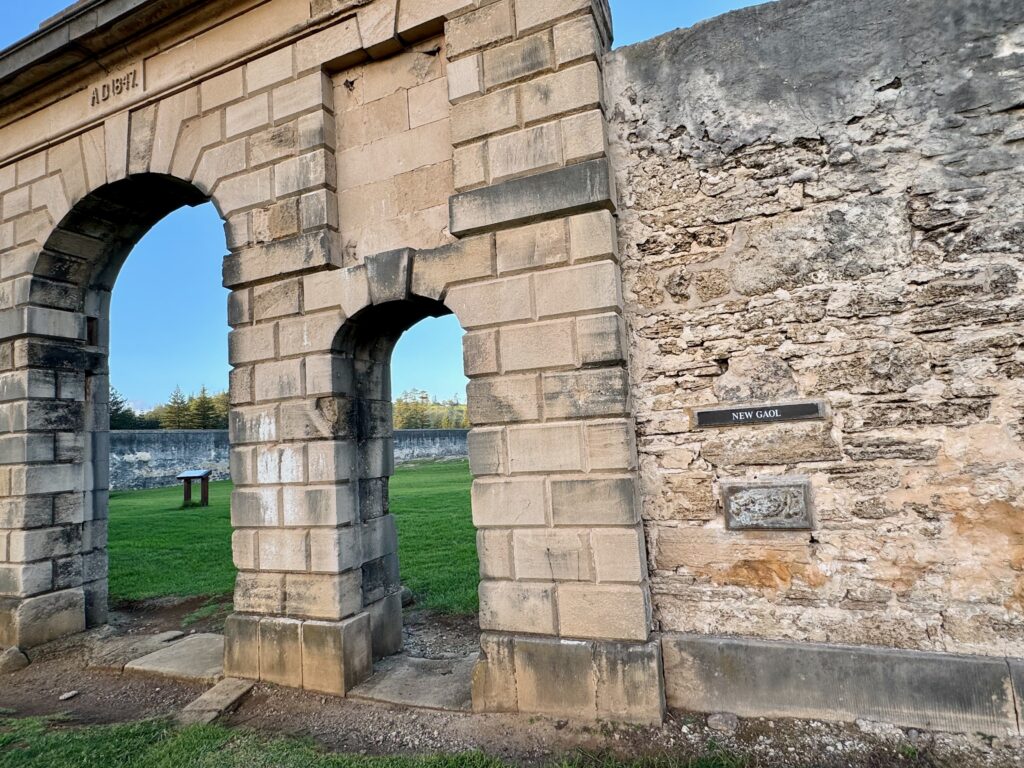
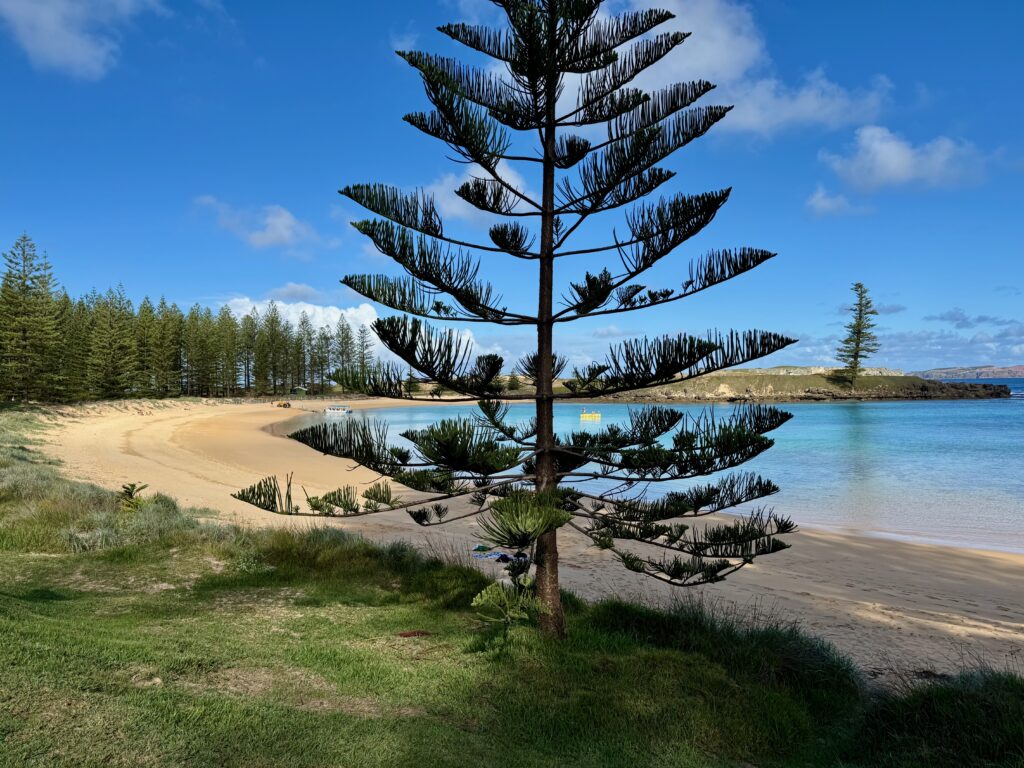
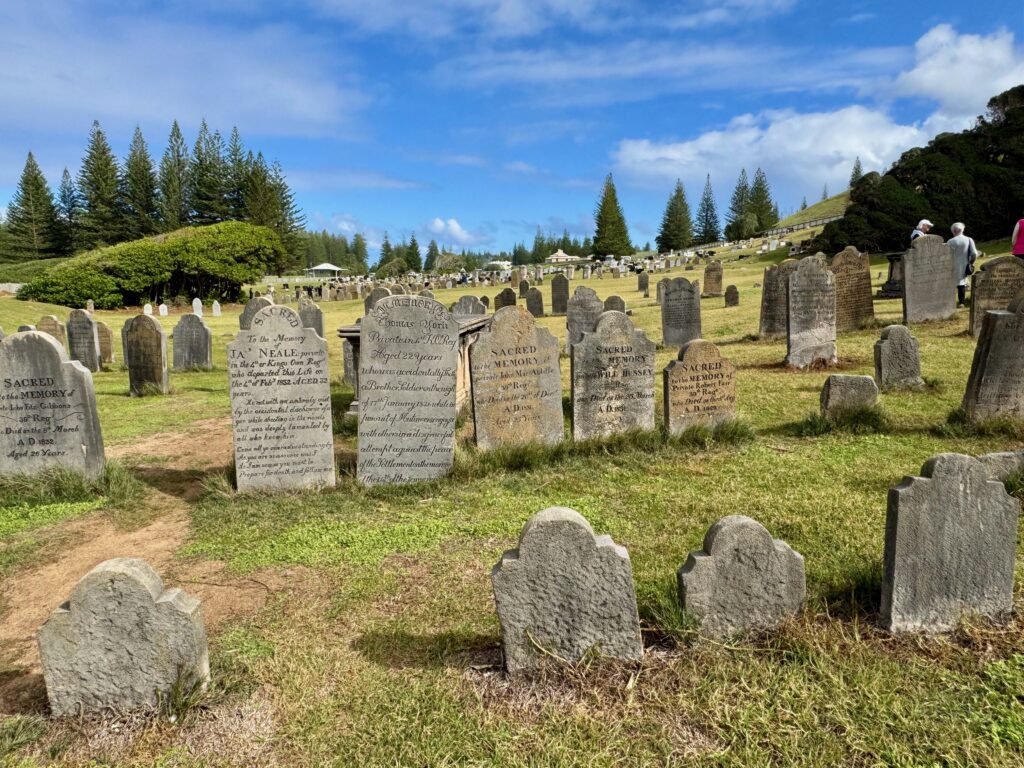
The journey my ancestors made was one-way. Norfolk Island was a place of transportation, settlement, family and eventually departure. Mine was a journey of return—an opportunity to stand in the places where their Australian story began and to understand a little better how their journeys eventually became mine.