Researching Your Tasmanian Family History
Websites, historical archives and practical tips for discovering your ancestors.
Every family has a story. Discovering that story often means searching through old newspapers, handwritten registers, land records and historical archives.
While researching my own Tasmanian ancestors, I’ve discovered a remarkable collection of online resources that help bring the past to life. Some provide the essential facts of births, marriages and deaths. Others reveal where our ancestors lived, how they earned a living, and the communities they helped build.
This guide brings together the websites I’ve found most useful for researching family history in Tasmania, along with practical tips learned along the way.
Essential Resources
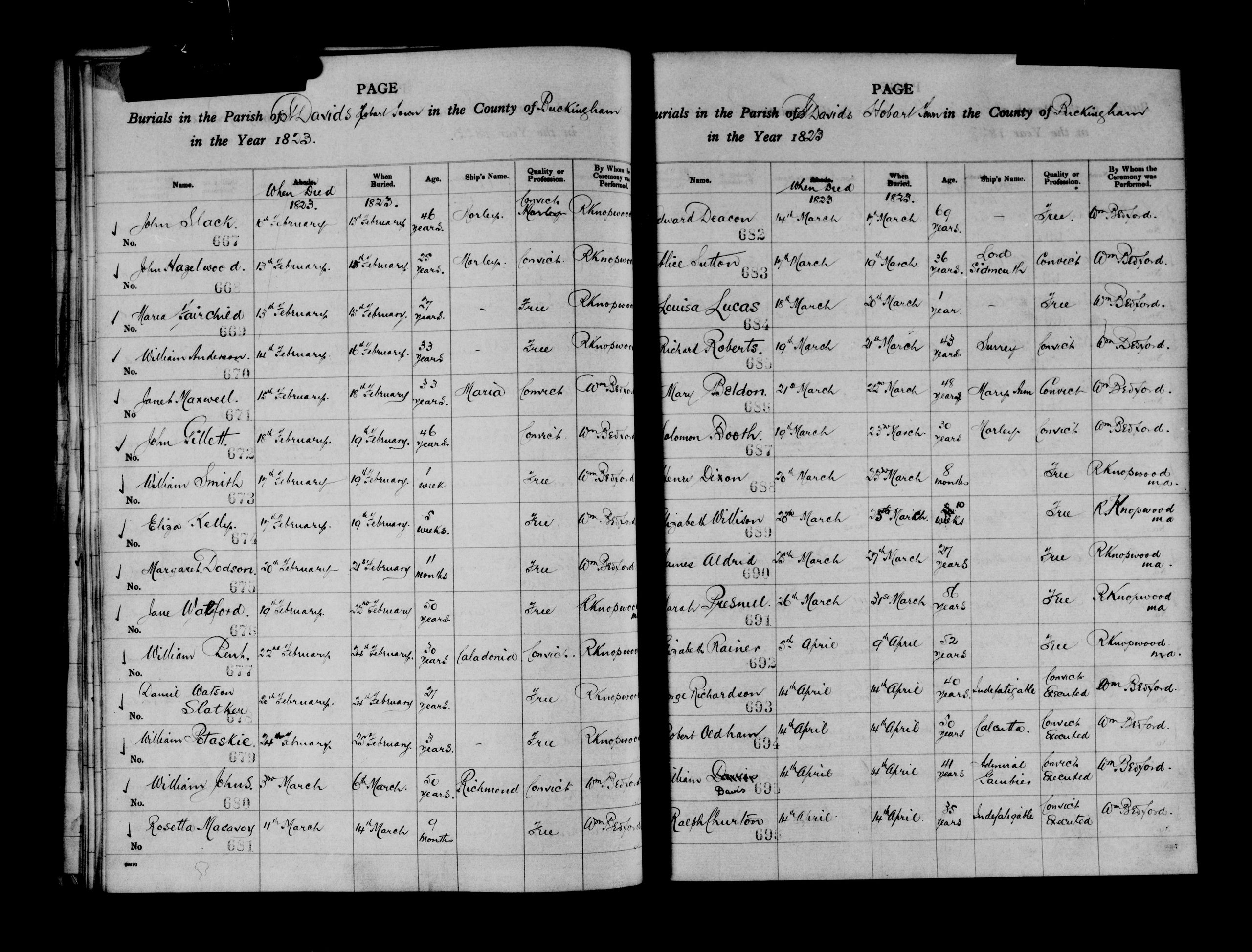
Libraries Tasmania
Search historical births, marriages, deaths, wills and other records. Many entries include images of original documents.
Research tip: Check the original register rather than relying entirely on indexed information.
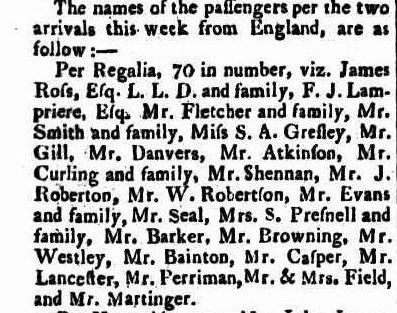
Trove — Historical Newspapers
Historical Newspapers and Gazettes
Search millions of digitised Australian newspaper pages, including early Tasmanian newspapers. Discover birth and death notices, shipping movements, advertisements, court reports, property sales and stories about everyday life.
Research tip: Try alternative spellings, initials and place names. Trove’s automatic text recognition can misread old printing, so always check the original newspaper image.
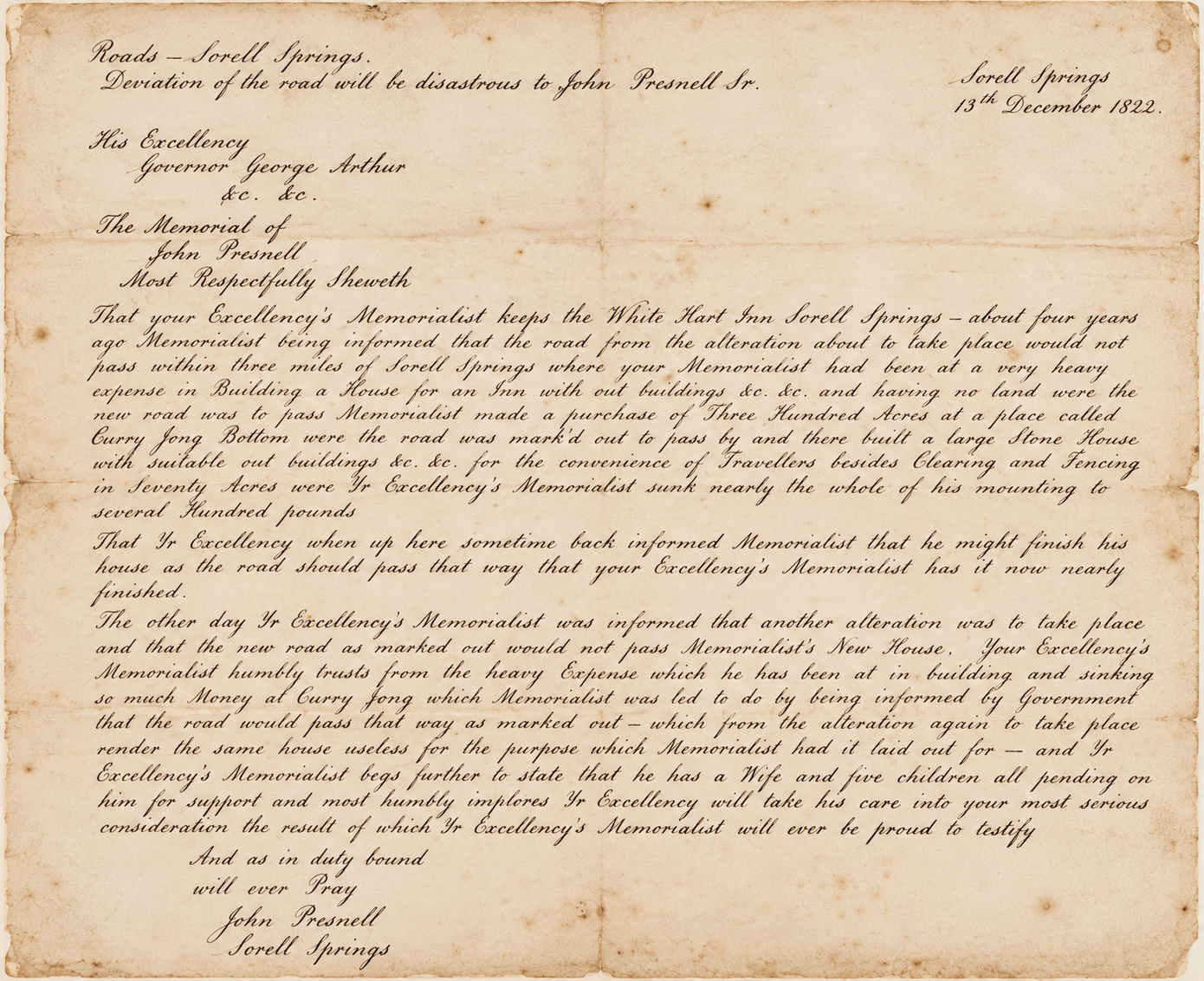
Colonial Secretary’s Papers
Early Colonial Government Records
The Colonial Secretary’s Papers contain correspondence, petitions, land grants, government appointments and other records documenting life in early colonial Australia. The NSW collection is particularly useful for researching Van Diemen’s Land before it became a separate colony in 1825.
Research tip: Search the Museums of History NSW Colonial Secretary’s Index using surname variations. Check both NSW and Tasmanian archives, as relevant records may be held in either collection.
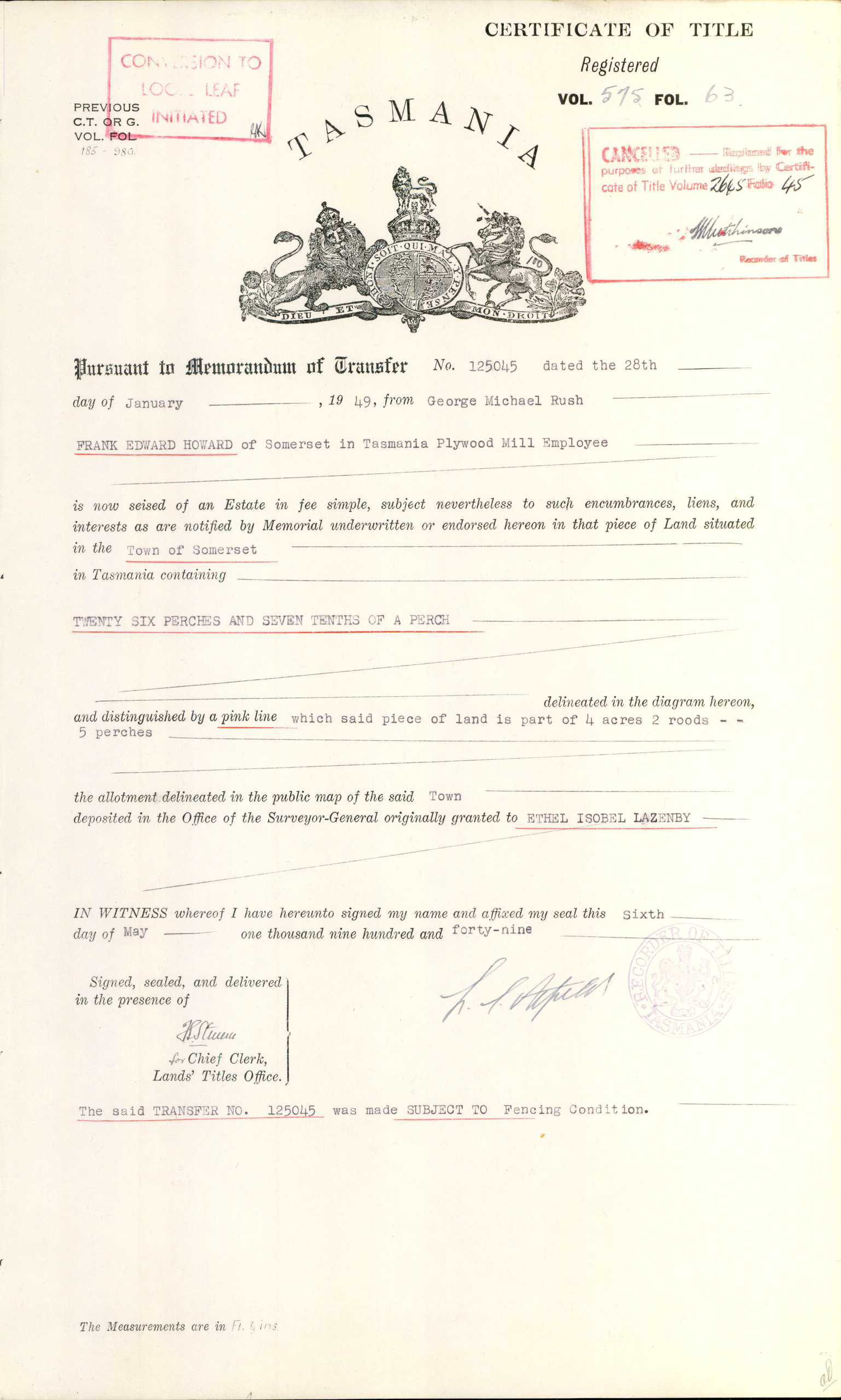
The LIST — Land and Property Records
Historical Land Titles and Maps
Tasmania’s Land Information System (The LIST) provides access to property information, historical land titles, survey plans and maps. These records can help identify where ancestors lived, trace property ownership and understand how land passed between generations.
Research tip: Search using a property address or title reference. Historical certificates of title often identify previous owners, while volume and folio numbers can help trace a property’s history.
More Useful Websites
Beyond the essential resources, these websites offer valuable collections covering military service, immigration, cemeteries, historical photographs and family records. Some are entirely free, while others require registration or a subscription.
|
Website |
What you’ll find |
Access |
|---|---|---|
|
Military service records, immigration files and Commonwealth government documents. |
Free search |
|
|
Military service rolls, casualties, honours, wartime photographs and unit histories. |
Free |
|
|
Cemetery indexes, family-history publications, local research and genealogical assistance. |
Free / Members |
|
|
Historical birth, marriage and death records, digitised registers and family trees. |
Mostly free |
|
|
Family trees, electoral rolls, historical documents and international genealogical collections. |
Subscription |
|
|
British and Australian census, parish, migration and family-history records. |
Subscription |
|
|
Cemetery inscriptions, burial details and headstone photographs. |
Free |
|
|
Burial locations, memorials and gravestone photographs. |
Free |
|
|
Historical maps, photographs, books and manuscript collections. |
Free |
|
|
Historical photographs, drawings and illustrations of Tasmanian places and people. |
Free |
|
|
Convict conduct, transportation, assignment and related records. |
Free |
|
|
Passenger arrivals, shipping records and immigration documents. |
Free |
Research Tips
1. Search Beyond the Obvious
Names were frequently misspelled in historical records, and the same person may appear under several variations. Try alternative spellings, initials, occupations and locations. Searching for Presnell, Presnall and Pressnell, for example, can produce different results.
2. Always Check the Original Record
Online indexes are useful starting points, but transcription errors are common. Whenever possible, examine the original handwritten register, newspaper page or archival document. A single misread date or name can lead research in the wrong direction.
3. Newspapers Reveal Everyday Life
Birth, marriage and death records establish the basic facts, but newspapers often tell a much richer story. Advertisements, shipping notices, court reports and government announcements can reveal occupations, business activities, travel and family circumstances.
4. Follow the Land
Historical land titles, survey plans and property records can establish where ancestors lived and how land passed between generations. Combining these records with newspaper advertisements and historical maps can help reconstruct a family’s movements.
5. Keep Track of Your Sources
Record the website, document reference, newspaper title, publication date and page number for each discovery. Save copies of important original documents. This makes it easier to revisit evidence and distinguish established facts from assumptions.
6. Don’t Confuse People with the Same Name
Families often reused the same given names across generations. In my Presnell research, several men named William, John and Thomas appear in early colonial records. Comparing dates, occupations, family relationships and locations is essential before deciding which individual a document refers to.